The biggest World Cup ever
The 2026 World Cup is the largest in history: 48 teams, 12 groups of four, and 104 matches across three countries. FIFA promised it would deliver more games, more goals, and more nations getting their moment on the world stage.
So after the group stage is complete, did it deliver?
The good: incredible stories
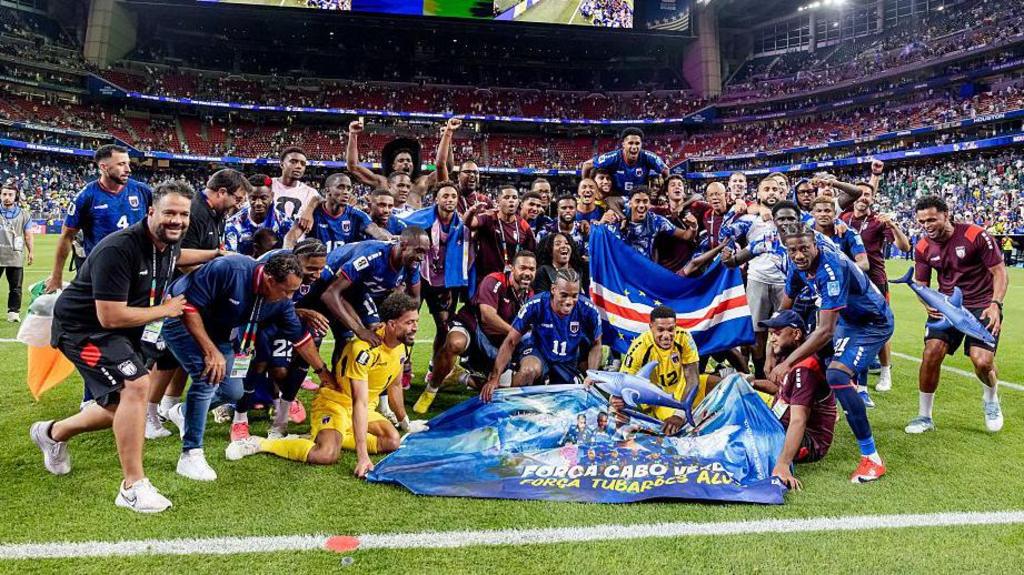
The expanded format gave opportunities to teams that would never have qualified under the old 32-team system. And some of them seized those chances brilliantly.
Canada — The forgotten co-hosts reached the last 16 for the first time in their history, beating South Africa with a dramatic injury-time winner.
Algeria & Austria — Their wild 3-3 draw produced conspiracy theories and comparisons to the 1982 “Disgrace of Gijon,” but it also delivered one of the most dramatic matches in World Cup history.
Morocco — Building on their 2022 semi-final run, Morocco continued to establish themselves as a genuine force in world football.
Japan — Looked tactically excellent and pushed the Netherlands all the way in Group D.
These are the stories that make the World Cup special, and the expanded format deserves credit for creating them.
The bad: too many dead rubbers
The biggest criticism of the new format is the lack of jeopardy. With 12 groups of four and the top two qualifying automatically, plus the best third-placed teams also going through, many groups were decided before the final matchday.
In the old 32-team format, almost every final group game mattered. In this World Cup, several last group matches felt like friendlies, with teams already qualified or already eliminated.
The ugly: the third-place problem
Allowing the best third-placed teams to qualify was meant to soften the blow of elimination. In practice, it created confusion and reduced the stakes.
Fans struggled to understand the permutations. Teams could afford to lose and still go through. Some managers rotated their squads in final group games, treating them as rest opportunities rather than must-win matches.
The result? Less drama, not more.
Goals per game: the real test
One of FIFA’s promises was that more teams would mean more goals. The early numbers are mixed. While some groups produced high-scoring thrillers (Algeria-Austria 3-3, Brazil-Haiti 5-0), others were cagey and cautious.
The average goals per game in the group stage was roughly similar to recent World Cups, suggesting that more teams does not automatically mean more entertainment.
What needs to change?
Critics have suggested several fixes:
- Fewer groups, bigger groups — Six groups of eight would guarantee more meaningful games
- No third-place qualifiers — Only the top two go through, raising the stakes
- Seeded knockout rounds — Reward group winners with easier draws
FIFA is unlikely to change the format for 2030, but the debate is far from over.
The verdict
The 2026 World Cup group stage delivered unforgettable moments and historic achievements. But it also showed that bigger is not always better. The format needs tweaking to ensure that the knockout rounds are reached through genuine competition, not mathematical generosity.
The stories were great. The jeopardy was not. For the next World Cup, FIFA needs to find a way to deliver both.